
Repair Scratches on a Table Naturally (DIY Wood Fix Guide)
Why Table Scratches Are a Big Deal
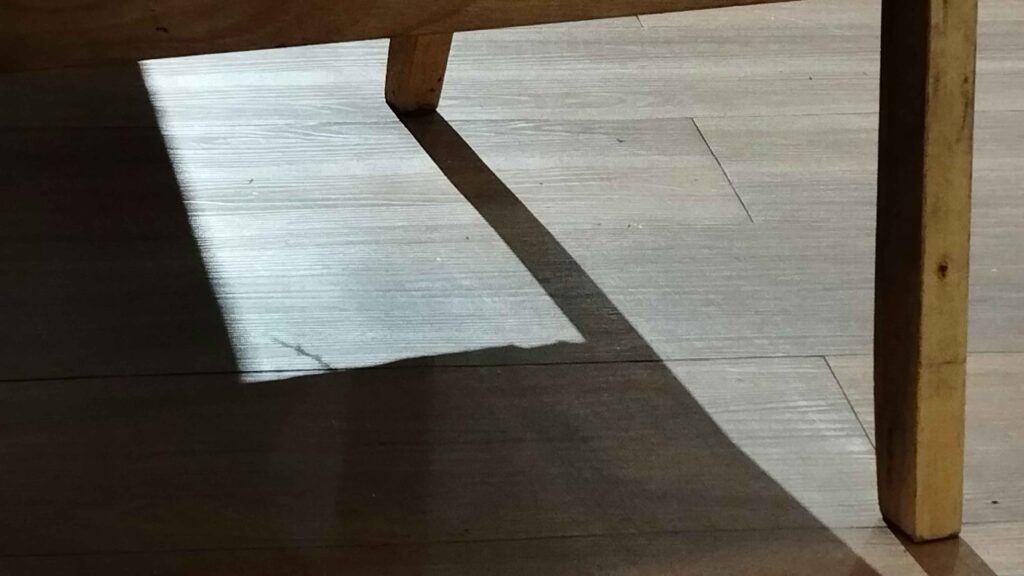
Nothing spoils the charm of your home like scratches on a beautiful wooden table. Over time, everyday use, keys, plates, or even cleaning tools can leave marks that make your furniture look dull and aged. The good news? You don’t need to spend money on expensive refinishing or replacements.
In this guide, you’ll learn how to repair scratches on a table using natural, easy-to-find ingredients. Whether your table has light scuffs or deep gouges, these DIY furniture repair tricks will help you bring back that warm wooden glow naturally!
Step-by-Step Guide: How to Repair Scratches on a Table Naturally
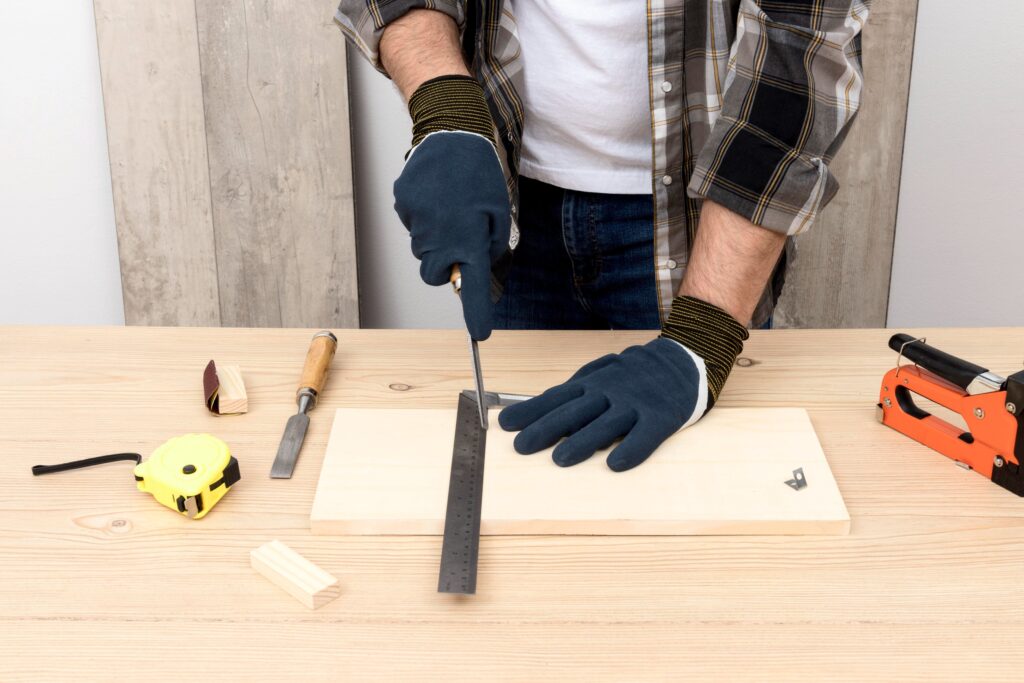
Identify the Type of Scratch
Before you start, take a close look:
- Light surface scratches: Only affect the finish.
- Medium scratches: Penetrate the surface but not deep into the wood.
- Deep scratches or gouges: Reach through the finish into the wood fibers.
The method you’ll use depends on how severe the scratch is so start with gentle remedies before moving to deeper repair options.
Clean the Table Surface First
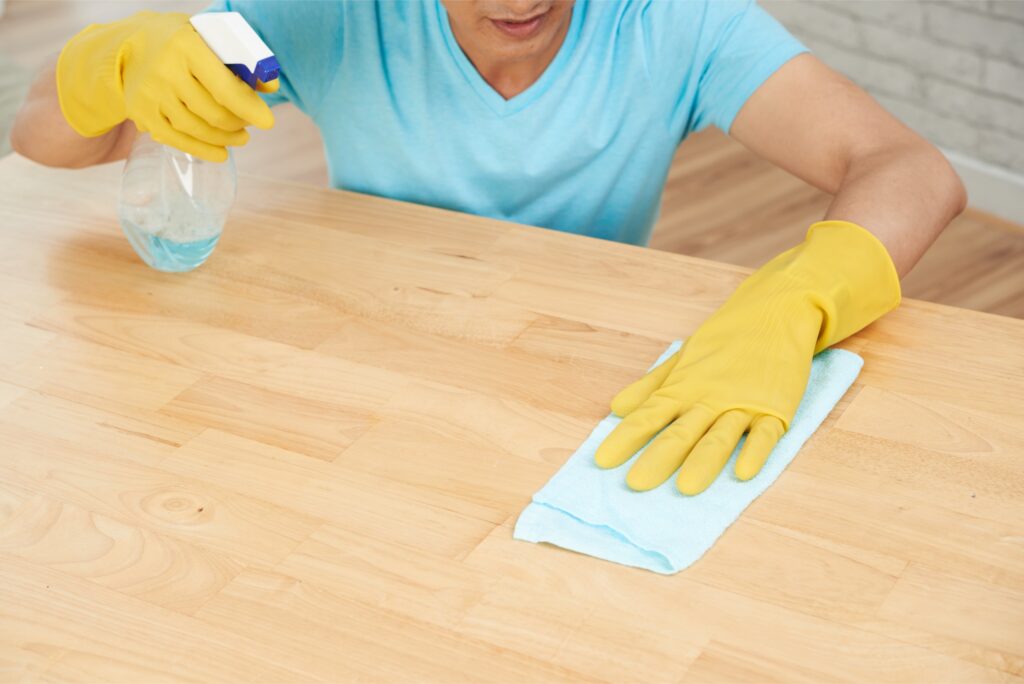
Before applying anything, wipe your table clean. Use a mild eco-friendly wood cleaner or a mix of:
- 1 cup of warm water
- 1 tablespoon of white vinegar
- A few drops of olive oil
Gently clean with a soft microfiber cloth to remove dust, grease, and residue. This ensures your scratch repair products can properly absorb into the wood grain.
Fix Light Scratches with Olive Oil and Vinegar
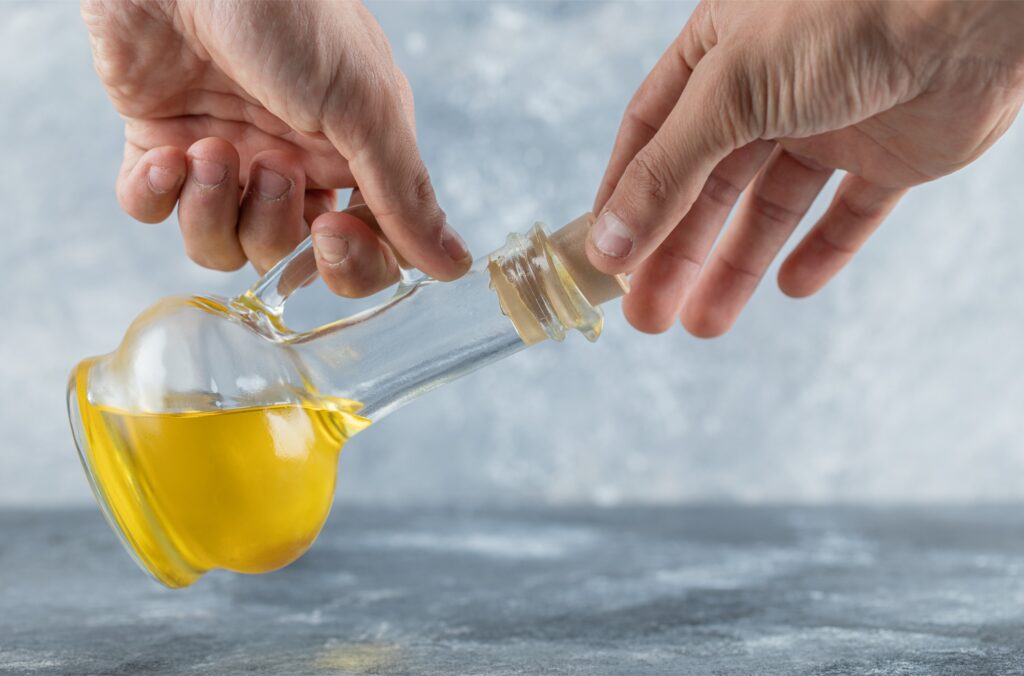
One of the oldest natural wood polish recipes is a simple mix of:
- ½ cup olive oil
- ½ cup vinegar (white or apple cider)
Dip a soft cloth into the mixture and rub it gently over the scratch, following the grain. This not only fills minor marks but also restores the shine.
Let it sit for 10–15 minutes, then wipe away excess with a clean, dry cloth. You’ll be amazed at the difference!
Use a Walnut for Quick Touch-Ups
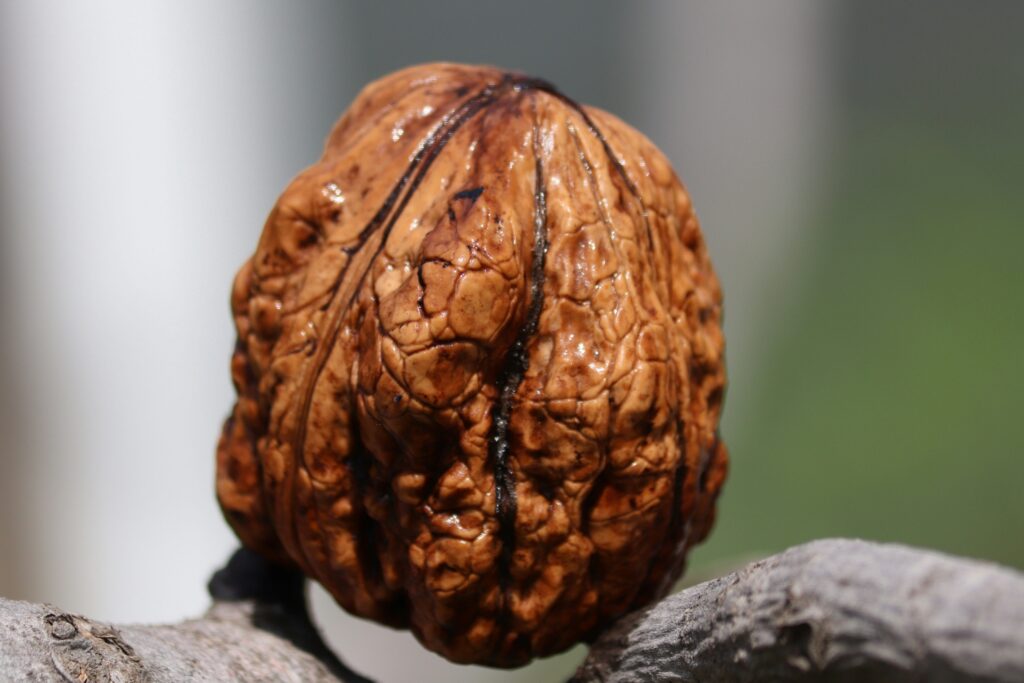
For small or light scratches, nature gives you a quick fix — walnuts!
Rub a shelled walnut gently along the scratch. The natural oils in the nut seep into the wood and darken the area, making the scratch less visible.
It’s one of the most popular furniture touch-up hacks because it’s natural, instant, and effective.
Repair Deep Scratches with Wood Filler or Crayon
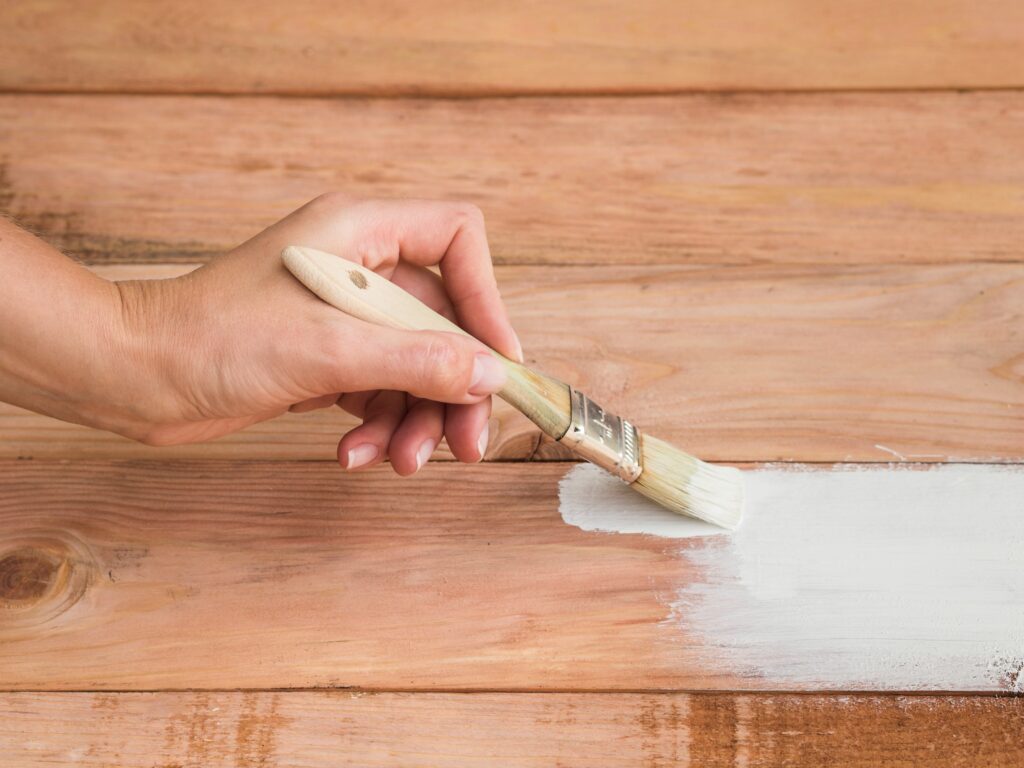
For more serious marks, you’ll need a thicker filler. You can:
- Use a matching wood filler or wax crayon, or
- Make a homemade wood scratch remover using coffee grounds + olive oil.
Apply the filler, wait for it to dry, and gently buff with fine-grit sandpaper. Finish by applying natural polish or wax to blend the color.
Pro Tip: Use an artist brush to apply color-matched stain to deeper scratches for a seamless look
Homemade Natural Wood Polish Recipe
Once your scratches are fixed, polish the surface to restore its glow.
DIY Wood Polish Recipe:
- 2 tablespoons beeswax (melted)
- 4 tablespoons olive oil
- 1 teaspoon lemon juice
Mix and store in a small jar. Rub gently over the wood surface in circular motions to give your table a rich, protective sheen. This also prevents future scratches!
Fix Deep Gouges: The Sand and Refinish Method
If your table has deep scratches or gouges, light buffing may not be enough.
Use fine-grit sandpaper to smooth the damaged area, always moving along the grain. Then apply a stain or natural polish to match the existing finish.
This step is great for older furniture or heirloom tables that need a professional-style touch-up.
Dealing with White Rings or Water Marks
Sometimes scratches aren’t the only issue water rings can appear on polished surfaces.
Mix equal parts baking soda and toothpaste, then gently rub over the stain with a soft cloth. This removes white marks and restores shine.
Avoid harsh scrubbing, be gentle to prevent new scratches.
Recommended Eco-Friendly Products
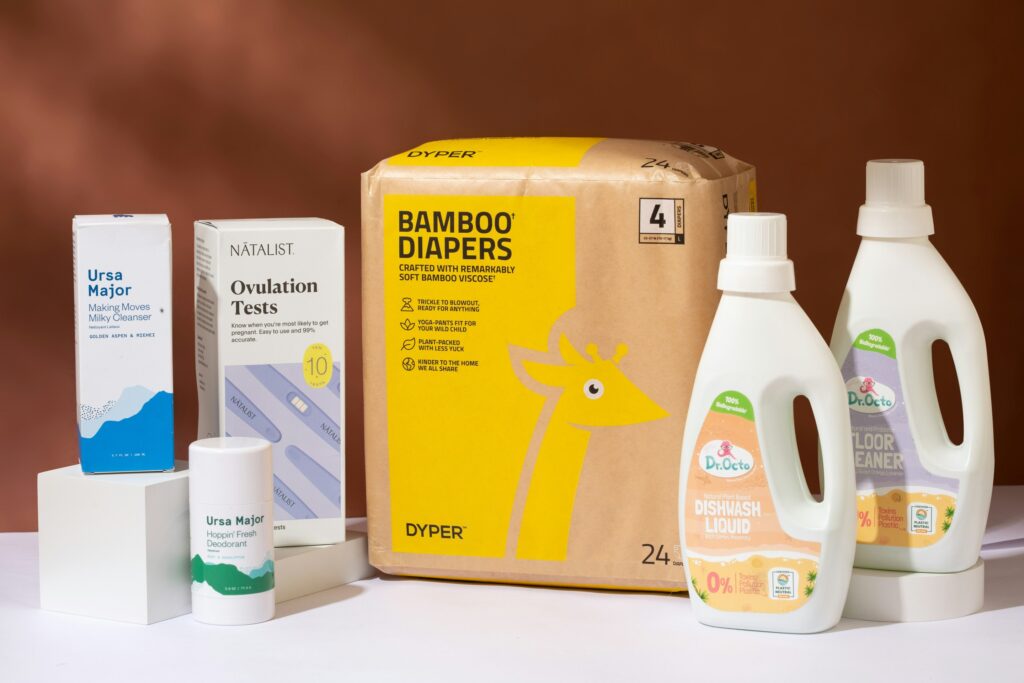
Here are a few safe, natural solutions that pair well with your DIY repair routine:
- Howard Feed-N-Wax Wood Polish
- Better Life Natural Wood Cleaner
- Eco-Me Wood Polish Spray
- Walnut shell touch-up kit
These options are biodegradable, safe for kids and pets, and leave a pleasant scent.
Furniture Maintenance & Prevention Tips
- Always use coasters and placemats to avoid scratches from dishes.
- Dust weekly with a microfiber cloth.
- Apply natural polish monthly to maintain shine.
- Keep your table away from direct sunlight to prevent fading.
- Avoid silicone-based polishes they dry out natural wood oils.
With just a few minutes of monthly care, your furniture will stay beautiful for years!
Common Mistakes to Avoid
- Using harsh cleaners or alcohol-based sprays.
- Skipping the surface cleaning before applying polish.
- Over-buffing with sandpaper (it can remove the finish).
- Forgetting to test any DIY mixture on a hidden spot first.
Avoid these, and your wood repair process will be smooth and damage-free.
DIY vs. Professional Repair, Which Is Better?

For minor to medium scratches, DIY methods are perfect and cost-effective.
However, if your table has deep gouges, structural damage, or antique value, hiring a professional restorer is a safer option.
The trick is to maintain your table regularly to prevent those deeper damages from happening in the first place.
Eco-Friendly Cleaning Routine

Incorporate your furniture care into your weekly home cleaning habits:
- Use natural polish on all wooden surfaces.
- Keep eco-friendly sprays handy.
- Store DIY recipes in small reusable jars for quick fixes.
Your home will not only look cleaner but will also stay toxin-free!
Read our guide on How to Clean a Refrigerator Naturally to maintain a spotless kitchen with eco-friendly methods.
Conclusion: Bring Your Table Back to Life

Learning how to repair scratches on a table naturally is easier than most people think.
A few household ingredients, some patience, and the right techniques can completely restore your furniture’s look.
Whether it’s light scuffs or deep scratches, regular maintenance and natural cleaners are your best friends for long-lasting shine.
So grab that olive oil and vinegar, and bring your wooden beauty back to life today!
FAQs
What’s the best way to repair scratches on a wooden table?
Mix olive oil and vinegar, rub gently over the scratch, and wipe clean for a natural finish.
Can I use toothpaste to fix scratches on furniture?
Yes, white toothpaste (non-gel) can reduce light scratches when rubbed gently
How do I repair deep scratches on a wood table?
Use wax filler sticks or sanding + staining for deep gouges
Are natural wood cleaners effective?
Absolutely. They clean, condition, and protect the wood without harsh chemicals.
How often should I polish my table?
Every 4–6 weeks for best results and long-lasting protection.