How to Fix Small Holes in Walls Naturally The Complete DIY Guide
Ever removed a photo frame or wall hook and found those tiny, annoying holes left behind? Don’t worry you’re not alone! Whether it’s a nail mark, a small dent, or minor cracks, knowing how to fix small holes in walls can make your home look fresh, new, and damage-free.
The best part? You don’t need to hire a professional or spend much. With a few easy tools and natural materials, you can repair wall holes in minutes and keep your walls looking flawless.
Why Fixing Wall Holes Is Important
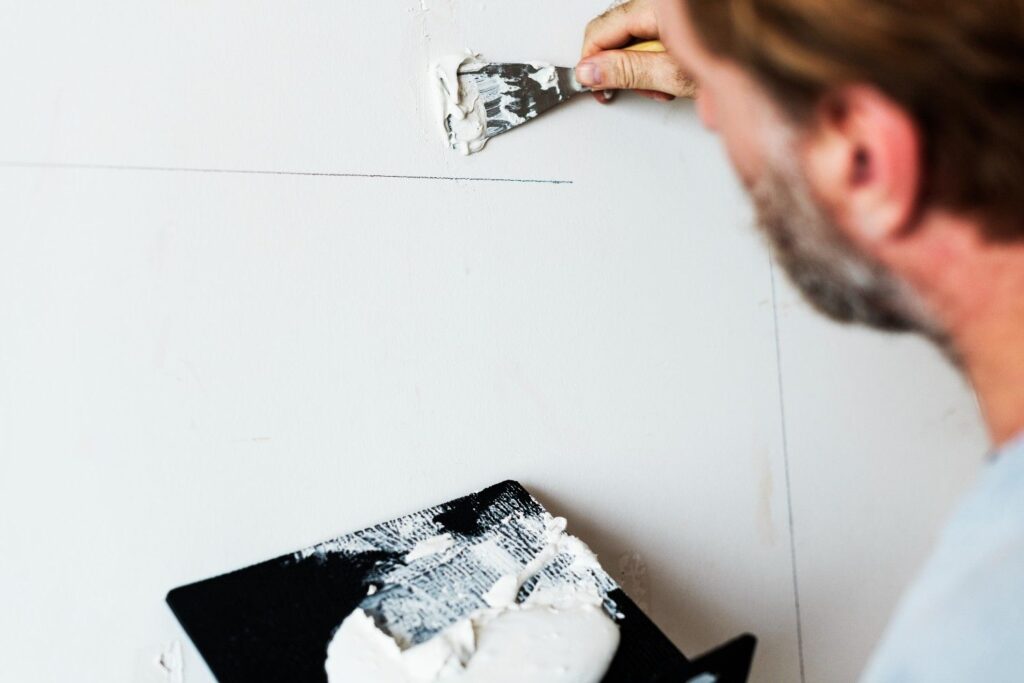
Tiny wall holes might seem harmless, but they can make your room look unkempt. Over time, dust and moisture can enter these gaps, leading to paint peeling or even mold. Fixing them early keeps your wall durable and neat and if you’re a renter, it can help you get your deposit back!
Step-by-Step Guide: How to Fix Small Holes in Walls
Follow these simple steps to get your wall looking as good as new.
Step 1:Gather Your Tools and Materials
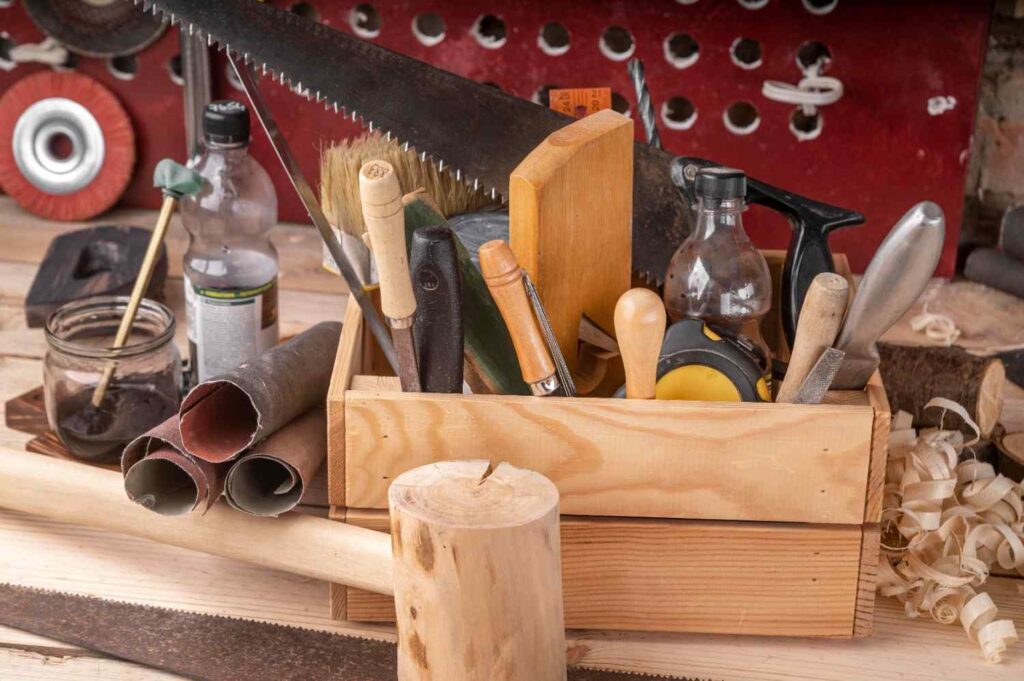
Before starting, collect:
- Spackling paste (eco-friendly option if possible)
- Putty knife
- Fine-grit sandpaper (120–200 grit)
- Damp cloth
- Primer and wall paint
- Optional: wall patch or painter’s tape
Pro tip Choose low-VOC or non-toxic wall fillers if you want an eco-friendly option.
Step 2:Clean the Wall Surface
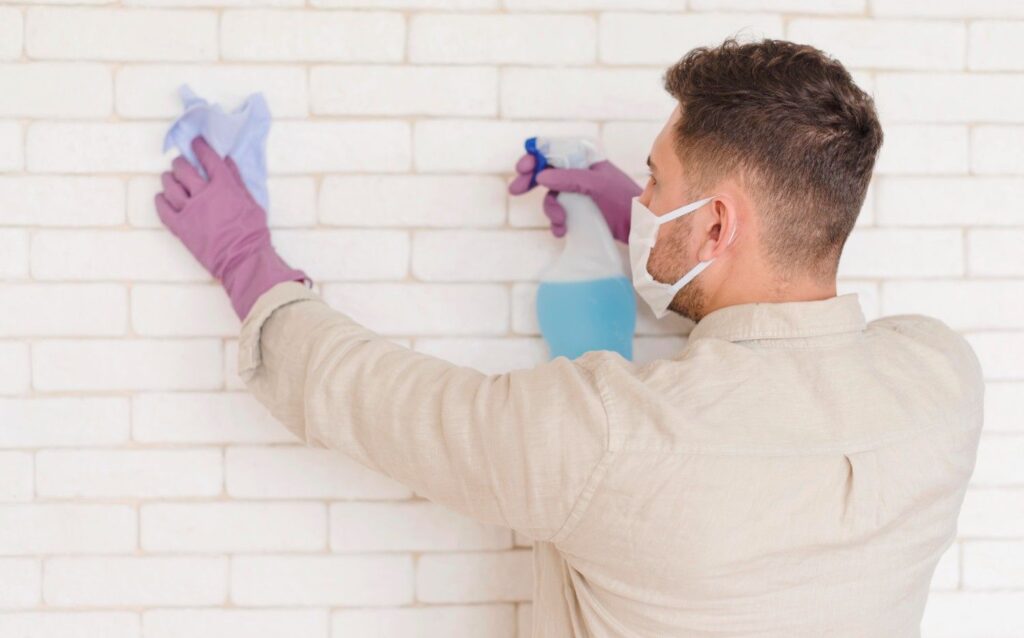
Dust and debris can prevent the paste from sticking properly.
- Wipe the area with a damp cloth and let it dry.
- Avoid using harsh cleaners a little water and mild soap are enough.
Step 3:Apply the Spackling Paste
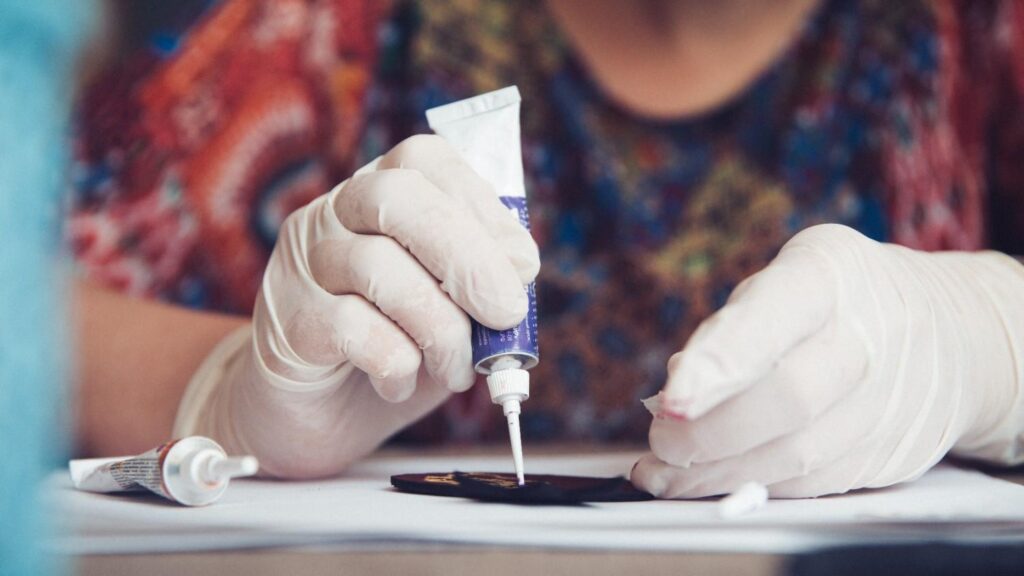
Now the fun part time to patch that hole!
- Using your putty knife, scoop a bit of spackling paste and press it into the hole.
- Smooth the surface with the knife, removing excess paste.
- Let it dry completely. (Check your paste’s label; most dry within 30–60 minutes.)
Step 4:Sand and Smooth the Area

Once the paste is dry:
- Gently sand the surface until it’s even with the wall.
- Wipe off the dust using a clean, dry cloth.
- The goal is to make the repair invisible once painted.
Step 5:Prime and Paint the Wall
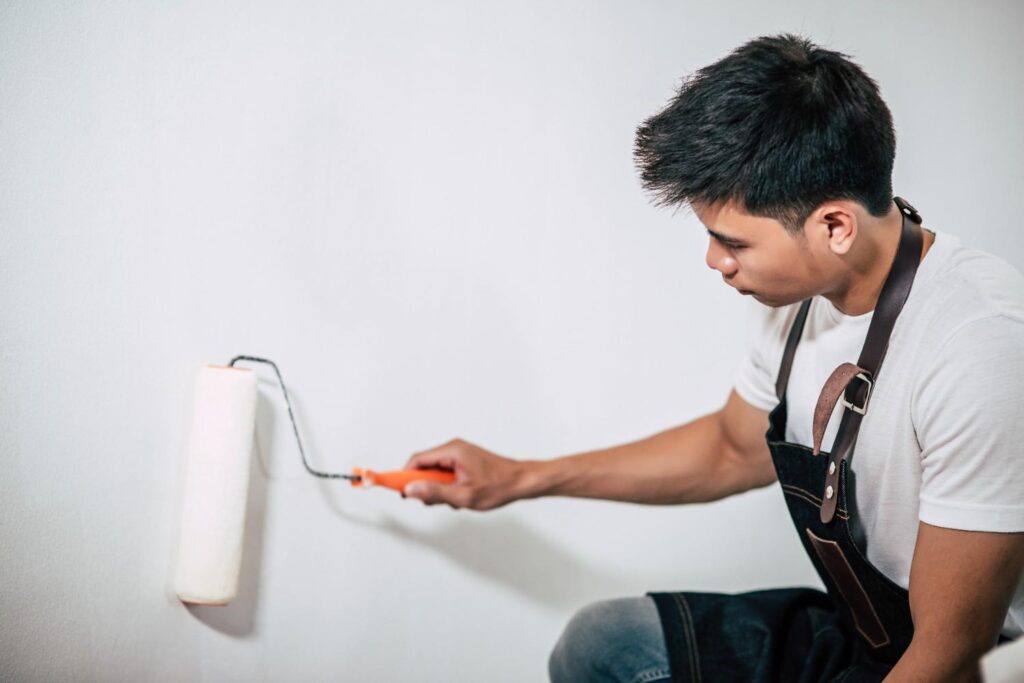
To finish the job:
- Apply a thin coat of primer to the patched spot.
- Once it’s dry, paint over it with your wall’s original color.
- Feather the edges to blend the color evenly.
Congratulations! You just learned how to repair wall holes like a professional without toxic chemicals or expensive tools.
DIY Natural Wall Filler Recipe (Eco-Friendly Option)

If you prefer natural materials, you can make a simple homemade wall filler:
- 2 tbsp baking soda
- 1 tbsp cornstarch
- Add water until it becomes a paste
- Optional: a few drops of white glue for extra hold
Mix it well, apply with a spatula, and sand after drying. It’s perfect for filling small cracks or nail holes safely.
Common Mistakes to Avoid
Even simple wall repair jobs can go wrong if you rush. Avoid these common pitfalls:
- Overfilling the hole causes uneven texture.
- Skipping sanding leaves visible bumps.
- Not letting paste dry completely.
- Using the wrong paint finish.
- Ignoring primer makes your wall look patchy.
Recommended Eco-Friendly Wall Repair Products
If DIY isn’t your thing, here are some green alternatives available online or in stores:
- EcoBond Wall Repair Paste Low VOC, odorless.
- Homax Wall Repair Patch Kit Great for small and medium holes.
- Benjamin Moore Eco Spec Paint Non-toxic finish for any room.
Wall Maintenance Tips
Keeping your walls healthy prevents future repairs.
- Use removable adhesive hooks instead of nails.
- Dust walls monthly with a microfiber cloth.
- Touch up small dings before they grow.
- Keep humidity low to prevent cracks.
Regular care means fewer repairs and longer-lasting paint.
DIY vs. Professional Wall Repair
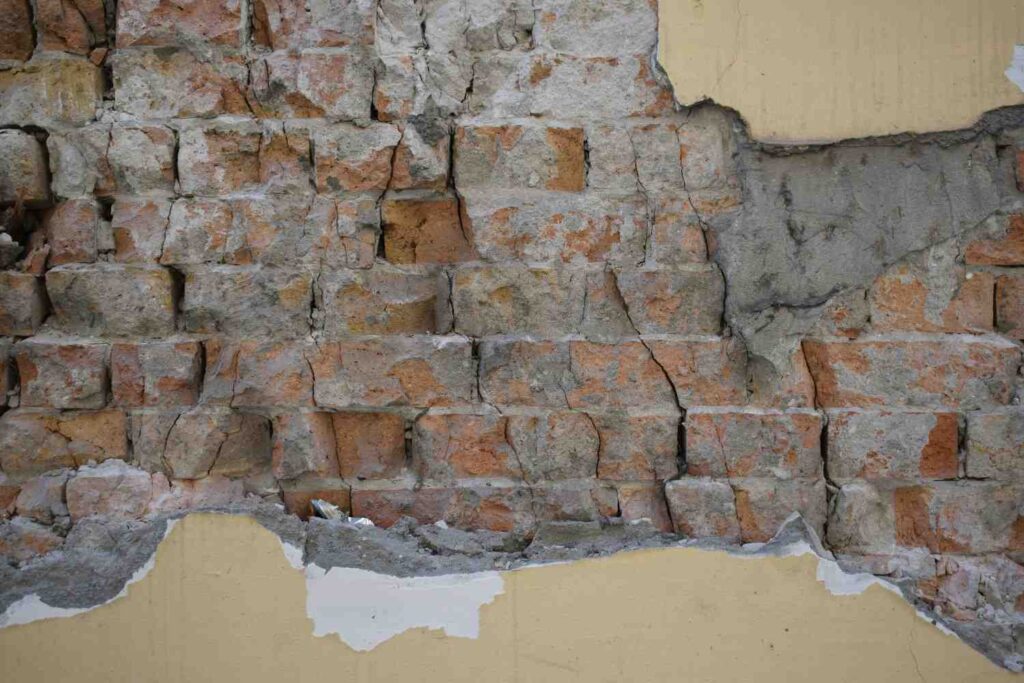
DIY wall repair is ideal for:
- Nail holes
- Tiny dents
- Small cracks under ½ inch
Hire a professional if:
- There’s structural damage or mold.
- The crack keeps expanding.
- You’re working with drywall near plumbing or electric lines.
DIY wall repair is quick, affordable, and satisfying — just be patient and use the right tools.
Eco-Friendly Tip

Next time you redecorate, reuse your old wall filler containers or buy in bulk to reduce packaging waste.
Check out our previous guide: Repair Scratches on a Table Naturally for more DIY furniture and surface care tips.
FAQs
Can I use toothpaste to fix wall holes?
Yes, for super tiny nail holes! Mix toothpaste with baking soda to fill the gap temporarily.
How long does wall spackle take to dry?
Most spackling paste dries in 30–60 minutes, but deeper holes may take longer.
What’s the best eco-friendly spackling paste?
Look for low-VOC brands like EcoBond or DAP Eco-Friendly Spackle.
Should I use primer before painting repaired walls?
Absolutely! Primer ensures smooth blending and prevents discoloration.
Can I fix cracks in plaster walls the same way?
Yes, but use flexible filler instead of standard spackle for better durability.